
IN VIEW COUNSELING SERVICES, LLC
3900 University Drive, Suite 130
Fairfax, VA 22030
4 min read
⋮
How Trauma Affects the Brain
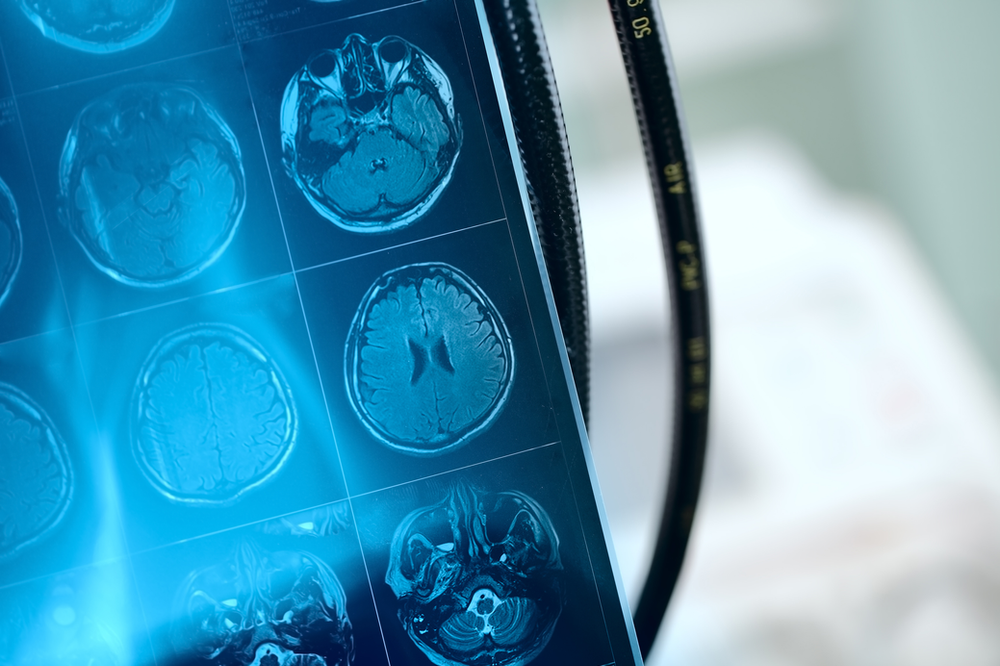
Trauma is the result of a deeply disturbing or distressing event, often associated with violence, accidents, abuse, or natural disasters. The lasting impact of trauma can bring about emotional and psychological distress, but it also goes deeper than memories and feelings. In fact, scientific research has shown that trauma alters the structure and function of the brain. Understanding how this change happens is necessary for those who have experienced trauma and for those who are working to support them.
The Brain’s Response to Trauma
When someone experiences trauma, the brain responds almost immediately. The amygdala, responsible for detecting threats and emotional responses, is activated. This region of the brain processes the emotions and aspects of the event and sounds the alarm. This alarm system signals the release of hormones like cortisol and adrenaline to prepare the body for the fight-or-flight response.
In the meantime, the hippocampus, the part of the brain that creates and stores memories, works in conjunction with the amygdala during this heightened state of arousal. As the amygdala processes emotions, the hippocampus contextualizes the event and makes sense of the situation. In the case of severe, prolonged trauma, these systems can become overloaded and dysfunctional.
Post-Traumatic Stress Disorder (PTSD)
When the impact of trauma on the brain is profound, it can lead to post-traumatic stress disorder (PTSD). PTSD can develop after experiencing a traumatic event and is characterized by flashbacks, nightmares, intrusive thoughts, hypervigilance, and emotional numbness.
The brain is often altered by PTSD in the following ways:
- Hyperactive Amygdala: Trauma can cause the amygdala to become overactive and even enlarged. This causes a heightened fear response, anxiety, and difficulty regulating emotions. It can cause a person who has experienced trauma to be overly sensitive, perceiving threats even when they are not present.
- Under-active Prefrontal Cortex: When the prefrontal cortex isn’t fully functioning, it can lead to poor emotional regulation, causing emotional outbursts and anger. It can diminish a person’s ability to think rationally, especially in distressing moments.
- Memory Problems: For someone experiencing PTSD, their hippocampus shrinks, making it difficult for the individual to recall details about the traumatic event. Simultaneously, this can cause vivid flashbacks or intrusive memories of the event. This disjointed memory processing leads to emotional dysregulation and creates confusion.
Chronic Trauma or C-PTSD
Chronic trauma or complex post-traumatic stress disorder (C-PTSD), doesn’t involve a singular traumatic experience but is ongoing and prolonged exposure to trauma. Domestic abuse, childhood neglect, and ongoing racism are all examples of chronic trauma. It is particularly damaging because it causes a prolonged activation of the body’s stress response system. The constant release of stress hormones begins to reshape the brain.
- Enlarged Amygdala: As mentioned above, the amygdala becomes enlarged and sensitive, leading to a heightened startle response, persistent fear, and irritability.
- Shrinking Hippocampus: The hippocampus creates new memories and connects them to emotions. Chronic trauma causes the hippocampus to shrink, which impairs memory, concentration, and the ability to understand past experiences.
- Prefrontal Cortex Dysfunction: The prefrontal cortex is responsible for executive brain function. Trauma impairs this functioning, which affects decision-making, impulse control, and emotional regulation. This is why trauma survivors struggle with managing their impulses and maintaining relationships.
Are Changes Permanent?
Here’s some good news: The brain has a remarkable ability to heal. It is very resilient. Through a process called neuroplasticity, you can rewire and make new connections within the brain. Areas that have been impacted by trauma can heal themselves with the right therapeutic interventions.
The journey to healing will not be an overnight process, but it all starts by connecting with a mental health professional. Through therapy, you will be able to explore your trauma and establish a treatment plan that works for you. Reach out to us today to schedule a consultation. Or, read more here on trauma informed therapy.
- Trauma
Recent Posts



Comments
Comments are coming soon.
IN VIEW COUNSELING SERVICES, LLC
3900 University Drive, Suite 130
Fairfax, VA 22030
Call – 571-207-5583
Areas Served: Arlington, Fairfax, Falls Church, Herndon, Old Town Alexandria, and online throughout VA, DC, FL, & NY.
©2026 by In View Counseling Services, LLC